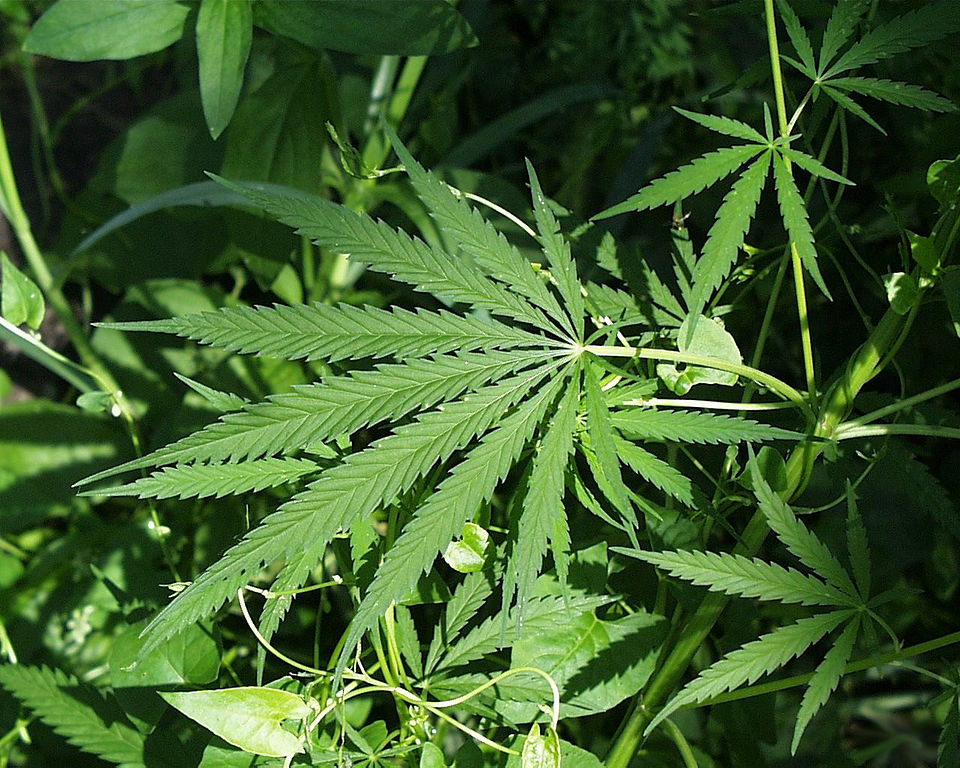
Recreational marijuana is expected to become legal in Canada by July 2018. To help workplaces prepare for the potential safety challenges and impacts of the proposed legislation, Canadian Centre for Occupational Health and Safety (CCOHS) published Workplace Strategies: Risk of Impairment From Cannabis.
The white paper provides guidance for employers, workers and safety professionals on how to:
- address the potential for impairment as part of a hazard assessment;
- establish a concise policy and program on the use of any substance that can cause impairment;
- determine the actions the workplace can take regarding impairment;
- implement accommodation practices where necessary, including therapeutic needs and substance dependence;
- create a supportive, healthy and safe workplace.
Impairment in the workplace, whether by fatigue, use of drugs or consumption of alcohol can have serious consequences, CCOHS says.
Safety professionals should remain current and must rely on multiple studies when using research to help guide cannabis policies in the workplace. Additionally, CCOHS cites caution from American College of Occupational and Environmental Medicine (ACOEM) that says “there are few reliable studies and many studies in the past were conducted when cannabis typically had lower THC concentrations.”
According to ACOEM, the majority of impairment studies related to driving and cognition find that among occasional recreational users, impaired users generally return to a sober state within 3 to 6 hours after smoking cannabis. “Impaired behavior from acute use differs between occasional users and long-term users,” ACOEM says. “There is good evidence that chronic, frequent cannabis users exhibit less impairment from acute THC than do occasional users, but the degree to which impairment is mitigated in safety-sensitive activities is unclear.”
According to CCOHS, sensitivity to Tetrahydrocannabinol (THC), the principal psychoactive constituent of marijuana, varies among cannabis users. For the average user, the effects may be felt within a few minutes and generally peak within 30 minutes. Acute effects generally last 2 to 4 hours, but can last up to 24 hours, CCOHS says.
The effects of cannabis are delayed if it is ingested instead of smoked, CCOHS says. However, the effects are the same and may include potential impairments to concentration, decision making, reaction time and coordination. Marijuana use can also increase anxiety and cause panic attacks, and in some cases it can cause paranoia and hallucinations.
“To address the impact of impairment on the workplace, we must have policies and programs in place that provide clear guidance and support to everyone involved,” says CCOHS’s Gareth Jones.
Employers in Canada have a duty to accommodate marijuana users, CCOHS says, such as to permit them to do their job (so long as employees are not engaged in work that would endanger themselves or others) or assign them to other work as appropriate, if:
- An employee self-discloses or if it is determined that s/he is taking medications (including cannabis for therapeutic reasons) that may cause impairment or result in diminished functionality;
- An employee with a substance dependence disability is seeking treatment for dependence. Under the Canadian Human Rights Act, substance dependence is classified as a disability.
The Canada government, which legalized the use of cannabis as a therapeutic treatment 16 years ago, says its current approach to cannabis does not work. CCOHS says that even though the drug’s recreational use is currently illegal, marijuana use is prevalent in Canada.
Read the rest of this article on the American Society of Safety Engineers’ website.
Leave a Reply