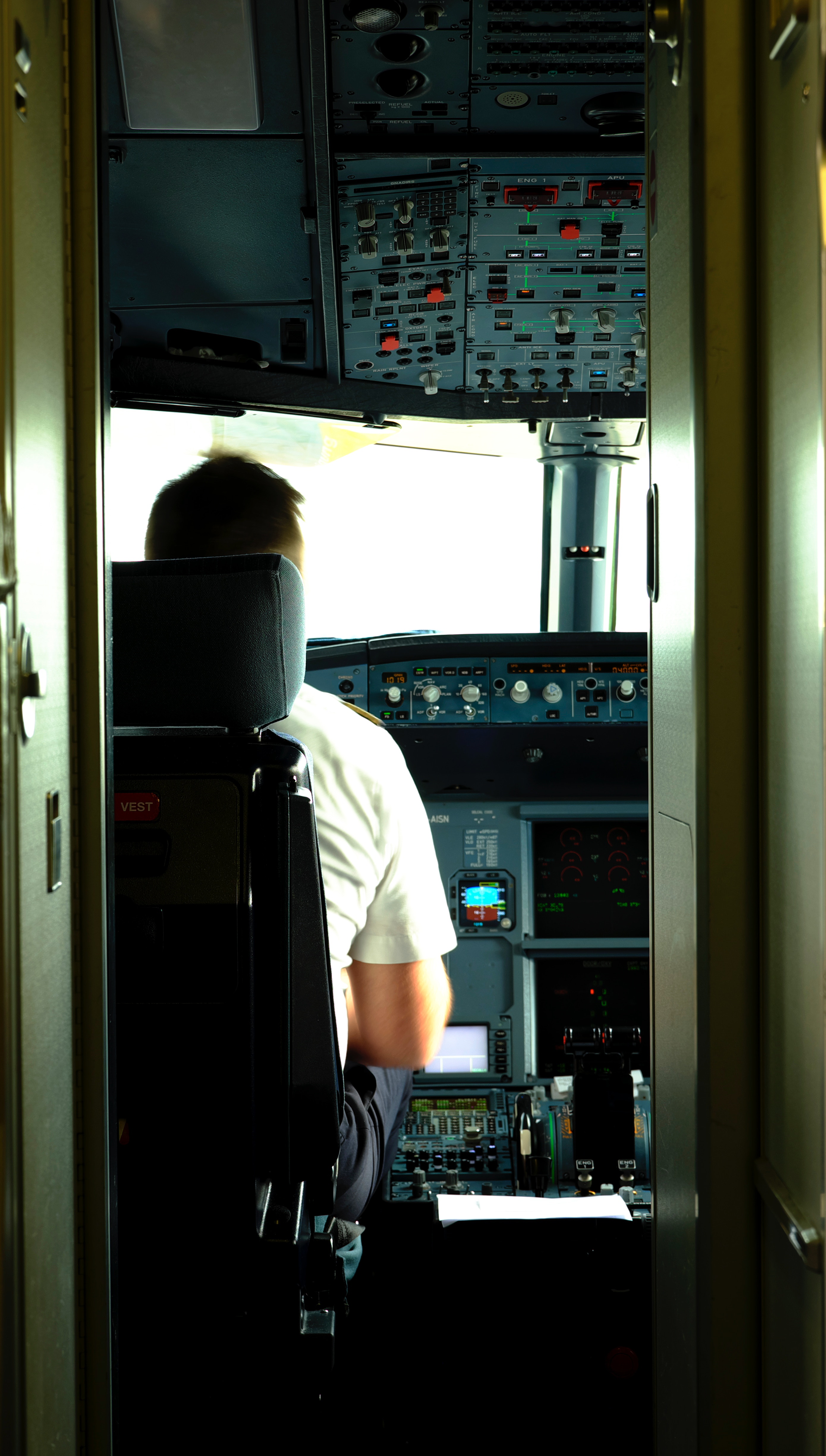
Canada is proposing new rules on flight crew fatigue and fitness for duty to improve passenger and flight crew safety and align regulations with today’s scientific data, international standards and best practices, the Canadian federal government says.
The proposed changes will:
- increase the time flight crew members are prohibited from working after drinking alcohol from 8 to 12 hours;
- decrease flight time at night from 12.5 hours to 10.5 hours;
- introduce a rule that will prohibit pilots from working more than 3 nights in a row without a rest during the night–if a rest is provided during the night, then the pilot may work up to 5 consecutive nighttime duty periods;
- increase the pilot’s rest period from 8 hours to 10 hours when the pilot is away from his/her home base and 12 hours at home base;
- require a fatigue risk management system (FRMS) to allow air operators to adapt policies, procedures and practices to manage fatigue risk in an operation; an FRMS will allow operators, including those that provide cargo services, more flexibility as long as they can demonstrate an equivalent level of safety.
The proposed rules will also decrease the amount of flight time a pilot may work from 1,200 hours in a calendar year to 1,000 hours, and 120 hours in 30 consecutive days to 112 hours in 28 consecutive days.
Although the proposed regulations have been designed to decrease pilot fatigue, the Safer Skies Initiative, a coalition comprised of four pilot groups that collectively represent more than 8,000 pilot members, say the changes are inadequate. Air Canada Pilots Association, one of the pilot group advocating for the Safer Skies initiative, says that the proposed regulation does not reflect several scientific studies nor NASA’s recommendations of a 8.5 hour maximum flight time for pilots.
Concerns about sleep-deprived pilots are across all skies, not just Canada. In December 2015, for example, the pilot of a United Airlines plane with more than 160 passengers on board slid off the runway at O’Hare International Airport. According to a Freedom of Information Act record obtained from the Chicago Sun Times, the pilot had been awake for 23 hours or more and said he felt “fatigued” before departing Seattle for Chicago.
The FAA requires pilots to have a “10-hour minimum rest period prior to the flight duty period” that has an “opportunity for 8 hours of uninterrupted sleep within the 10-hour rest period.”
The draft amendments were published in the Canada Gazette on July 15, 2017. Canadians and members of the industry may provide feedback on the draft regulations until Sept. 29, 2017.
Leave a Reply